Introduction
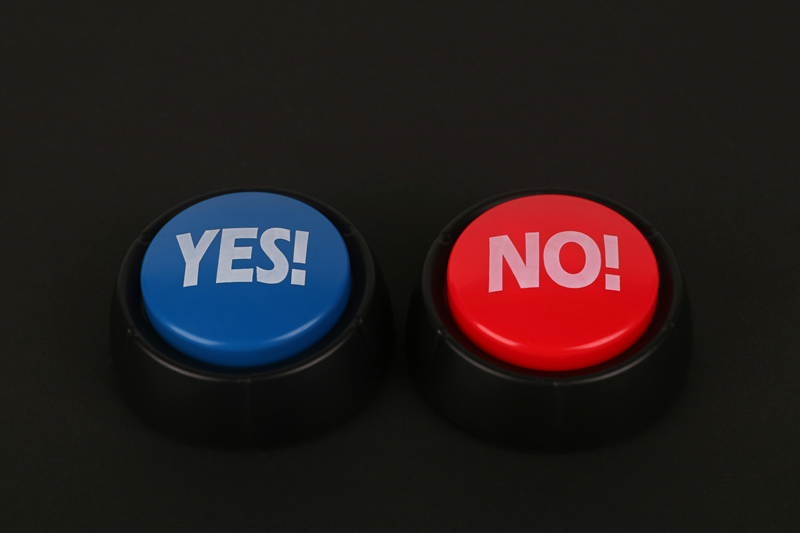
As Asian women in Indonesia, our culture has long emphasized obedience to parental authority and a “no questions asked” approach to instructions. This deeply ingrained habit often transitions into the professional sphere, manifesting as a tendency to say “yes” to every request, even those far beyond the scope of work or official working hours.
Many women find themselves agreeing to take on extra tasks for other teams while harboring internal resentment. This experience is far from isolated. Regrettably, this dynamic often occurs between women. Female managers frequently expect their female subordinates to work overtime or handle tasks outside their job descriptions.
The justifications vary, such as a lack of manpower, tight deadlines, or a desire to see the team “working hard”. However, it is disheartening because every woman, whether single or with a family, has the right to personal time. Does this resonate with your experience?
Why Are Women Under Pressure in the Workplace?
The pressure women face in professional environments often stems from the “double bind” phenomenon and contradictory social expectations. Psychologically, women are frequently expected to appear warm and supportive in line with traditional gender roles, yet they must simultaneously project decisiveness and competence to be recognized as leaders.
When they act assertively, they risk being disliked due to the likability bias, yet when they adopt a softer approach, they are often perceived as less competent. This dilemma creates chronic stress and higher rates of burnout, as women must constantly calibrate their behavior to navigate a workplace culture that remains predominantly masculine in its standards.
What Drives Conflict Between Women?
The phenomenon of women undermining other women, often referred to as Queen Bee Syndrome, is usually not rooted in personal animosity. Rather, it is a defensive response to a patriarchal environment. In organizational structures where top positions for women are limited, unhealthy internal competition can emerge.
Social psychology suggests that some women who reach leadership roles may distance themselves from female peers to protect their status or because they believe others should “suffer” as they once did. This creates a toxic cycle where gender-based solidarity is eroded by a perceived threat to professional security.
Systemic Reform or the Power to Say “No”?
While strengthening an individual’s capacity to be assertive and say “no” is vital, the burden of change should ultimately lie with a work system that normalizes exploitation. Psychologically, individuals, particularly women, often feel guilty or fear social repercussions if they decline additional workloads due to a prevailing “always on” culture.
However, demanding that individuals simply improve their assertiveness without addressing an organizational culture that glorifies overwork is an oversimplification of the problem. Work systems must shift from hour-based evaluations to output-based assessments, creating a safe space for every employee to set boundaries without fear of negative professional judgment.
Conclusion
The “Yes Woman” phenomenon among female professionals is not merely a matter of individual timidity. It is a manifestation of the intersection between a culture of obedience and gender-biased work systems. While assertiveness is a valuable skill, placing the entire burden of change on the individual without addressing exploitative systems is unjust.
There must be a synergy between organizational policies that support work-life balance and genuine solidarity among women to break the cycle of Queen Bee Syndrome. Only by fostering a workplace culture that respects boundaries and evaluates performance objectively can women thrive without sacrificing their mental health or feeling perpetual guilt for saying “no.”
I chose to write about this topic because it is a reality that I, along with many women in the Indonesian professional landscape, have personally navigated. Throughout my 14-year career, I have observed that exercising the courage to say “no” typically leads to one of two outcomes: being pressured into resigning due to an uncomfortable work environment, or finally earning the respect of leadership. Regrettably, in my experience, the outcome has consistently leaned toward the former.
References
Aung, N., & Tewogbola, P. (2019). The impact of emotional labor on the health in the workplace: A narrative review of literature from 2013-2018. AIMS Public Health, 6(3), 268–275. https://doi.org/10.3934/publichealth.2019.3.268
Faniko, K., Ellemers, N., & Derks, B. (2021). The Queen bee phenomenon in academia 15 years after: Does it still exist, and if so, why?. The British Journal of Social Psychology, 60(2), 383–399. https://doi.org/10.1111/bjso.12408
Gerli, F., Bonesso, S., & Pizzi, C. (2015). Boundaryless career and career success: The impact of emotional and social competencies. Frontiers in Psychology, 6, 1304. https://doi.org/10.3389/fpsyg.2015.01304
Latu, I. M., Mast, M. S., Bombari, D., Lammers, J., & Hoyt, C. L. (2019). Empowering mimicry: Female leader role models empower women in leadership tasks through body posture mimicry. Sex Roles, 80(1), 11–24. https://doi.org/10.1007/s11199-018-0911-y
Souza-Costa, A. C., Oliveira, H. C., & Guirardello, E. B. (2026). Relationship among workplace bullying, job satisfaction, burnout, and turnover intention: The mediating role of nurses’ resilience. Nursing Research and Practice, 2026, 8868659. https://doi.org/10.1155/nrp/8868659
Author Bio
Nurul Hanifah (Nova) is a Jakarta-based writer who transitioned from a career in journalism to the professional communications industry. Throughout her 14-year journey, she has developed a keen interest in the intersection of mental health, equality, and the modern work culture. Nova is passionate about exploring how professionals can navigate their careers while staying true to their principles and well-being.
Published under the Creative Commons Attribution 4.0 International (CC BY 4.0) license for mental health awareness with editorial review.