Introduction
Body dysmorphia is a psychological condition in which a person becomes preoccupied with perceived flaws in their appearance, even when others see none or far less. Personally, I struggled with seeing myself as flawed, believing I was unattractive or overweight despite evidence to the contrary. This disconnect shaped not only my self-image but also my broader understanding of mental well-being.
At around 15, I became fixated on my appearance. Puberty brought acne, and although my weight was normal, I constantly compared myself to others who seemed effortlessly beautiful. Family expectations to be tall, thin, and blonde only intensified this dissatisfaction. This led me to extreme dieting. At times, eating just one apple a day, yet even as I lost weight, my perception of being “fat” persisted. The turning point came when I discovered energy healing. Through extensive sessions, I began to unravel these mental blockages. I was so inspired that I trained to become a certified healer myself. Today, I am not only fully healthy and at peace with my body, but also deeply committed to helping others free themselves from similar harmful perceptions.
From Self-Doubt to Empowerment: Turning My Healing Journey into a Mission to Help Others
What began as a struggle with self-image evolved into a profound transformation. Through energy healing, I not only shed distorted beliefs about my body but also uncovered a deeper calling. I realized that the same tools that liberated me could empower others. Helping people dismantle their mental barriers is now more than a goal. It is a mission.
My journey from self-doubt to empowerment crystallized during one pivotal healing session. For the first time, I saw myself not through a distorted lens, but with compassion and acceptance. This breakthrough inspired me to help others experience the same shift. As I worked with individuals trapped in their own mental barriers, I observed how guiding them toward inner balance created ripple effects in their confidence and overall life satisfaction. Each transformation reinforced my mission: to empower others to break free from self-limiting beliefs, just as I did.
Reclaiming Self-Worth Beyond Appearance
For a long time, my sense of self-worth was tightly bound to how I looked. Every perceived flaw felt like a reflection of my value, and no amount of weight loss or external change could quiet that inner criticism. I came to understand that body dysmorphia is not truly about appearance. It is about the relationship we have with ourselves. It distorts not only how we see our bodies but also how we measure our worth.
The healing process required a shift inward. Through energy healing, I began to understand that self-worth is not something to be earned through physical perfection, but something that exists independently of it. I learned to separate who I am from how I look and to reconnect with qualities that had long been overshadowed: my resilience, sensitivity, and capacity to grow and help others.
Reclaiming self-worth was not an overnight transformation but a gradual rebuilding of trust within myself. It meant challenging old beliefs, releasing comparison, and choosing compassion over criticism. Today, I no longer see my body as something to fix, but as something to respect and care for. This shift has allowed me to feel grounded, confident, and aligned with who I truly am.
More importantly, this journey has given me a sense of purpose. I now strive to help others recognize that their value is not defined by their reflection in the mirror, but by the depth of who they are. When we reclaim our self-worth beyond appearance, we do not just heal, we transform.
The Gap Between Perception and Reality
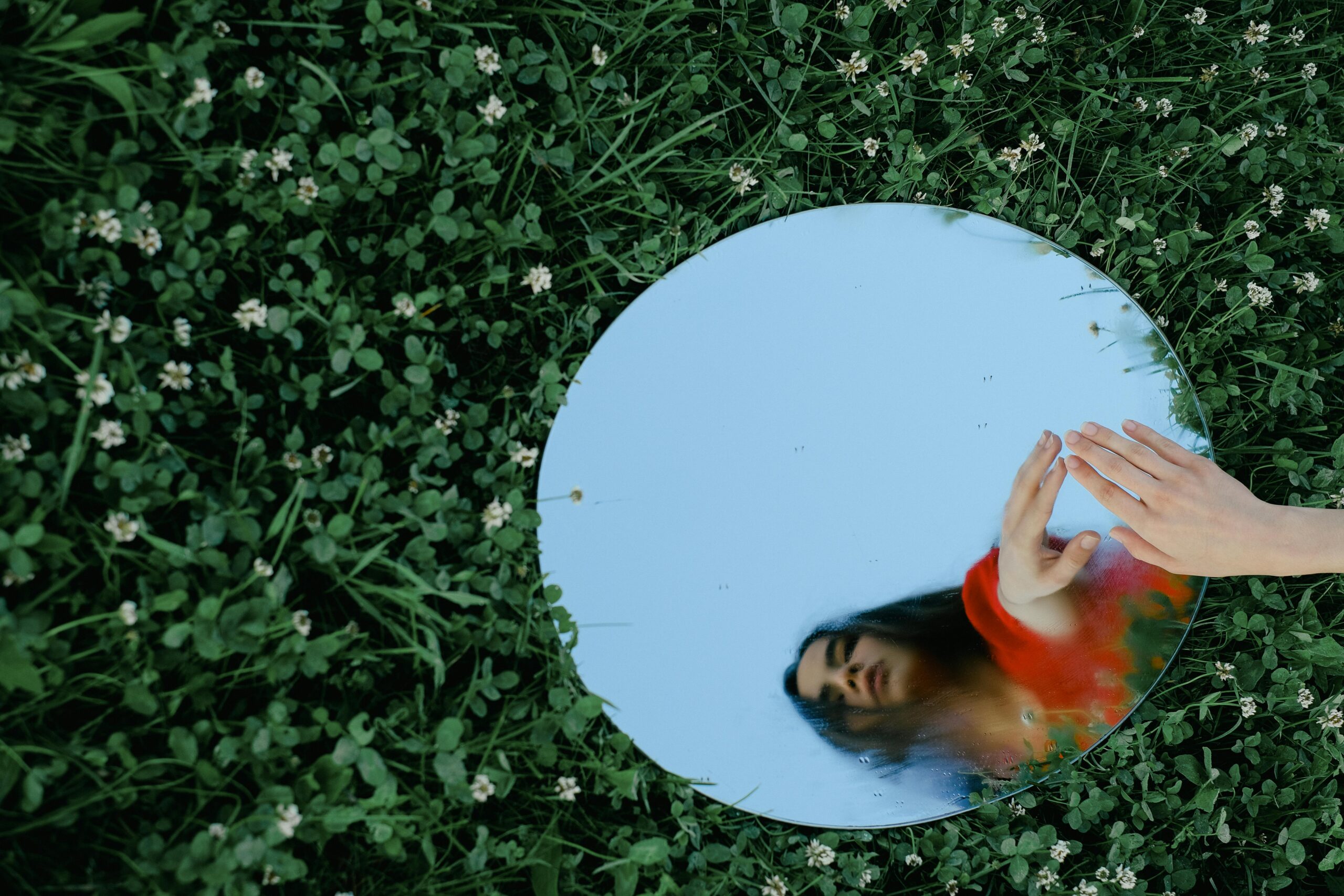
One of the most challenging aspects of body dysmorphia is the invisible gap it creates between perception and reality. What I saw in the mirror was not an accurate reflection of my body, but a version shaped by insecurity, comparison, and internalized expectations. While others saw someone completely normal, even slim, I remained convinced that I was flawed. This disconnect was not only confusing but deeply distressing, as it made it difficult to trust my own mind.
Over time, I came to understand that perception is not always the truth. It is filtered through our experiences, beliefs, and emotions. In my case, early comparisons, societal standards, and subtle pressures had constructed a distorted lens through which I viewed myself. That lens became so familiar that I accepted it as reality without questioning its validity.
Recognizing this gap was a turning point. It allowed me to step back and ask a powerful question: What if what I see is not the truth? This simple shift opened the door to healing. Through inner work and energy healing practices, I began to challenge those perceptions, gradually separating fact from feeling. I learned that just because something feels real does not mean it is accurate.
Bridging this gap required patience and consistency. It meant learning to rely less on automatic thoughts and more on grounded awareness. Over time, I began to see myself more clearly, not perfectly, but more truthfully. The distorted image gradually lost its power, replaced by a more balanced and compassionate perspective.
Understanding the gap between perception and reality is essential not only for healing body dysmorphia but also for improving overall mental well-being. It reminds us that our minds can sometimes mislead us, and that clarity comes from questioning, not blindly accepting, our inner narratives. When we realign perception with reality, we regain control over how we see ourselves and, ultimately, how we live our lives.
Conclusion
Body dysmorphia is more than a distorted view of appearance. It is a deeply rooted disconnect between how we see ourselves and who we truly are. Through my journey, I experienced firsthand the weight of that distortion, shaped by comparison, societal expectations, and relentless self-criticism. Yet within that struggle, I also discovered the possibility for transformation.
By recognizing the gap between perception and reality, replacing criticism with compassion, and reclaiming my self-worth beyond appearance, I was able to rebuild a healthier relationship with myself. Healing was not about changing how I looked, but about changing how I thought, felt, and spoke to myself. It was a process of unlearning, releasing, and rediscovering.
Today, this journey extends beyond me. It has become a purpose. I aim to help others navigate their internal struggles and realize that they are not defined by distorted perceptions or unrealistic standards. True healing begins when we turn inward, challenge the narratives we have accepted, and choose to see ourselves with clarity and kindness.
Ultimately, the most powerful transformation is not physical. It is the moment we finally see ourselves as we truly are and accept that we have always been enough.
I chose to speak about body dysmorphia because it has been a deeply personal and defining part of my journey. For years, this distorted perception influenced many of my decisions, often leading me down paths that were not aligned with my well-being or true potential. The constant dissatisfaction with my appearance affected my confidence, my choices, and the way I showed up in life. Looking back, I recognize that if I had not struggled with this issue, some aspects of my life might have unfolded differently, perhaps with more ease, clarity, and self-assurance. However, acknowledging this also deepens my understanding of its impact and reinforces my commitment to healing, not only for myself, but also to help others avoid losing years to the same internal struggle.
References
Caponnetto, P., Maglia, M., & Polosa, R. (2024). Body dysmorphic disorder and psychotherapeutic interventions. Frontiers in Psychology, 15, Article 11176052. https://doi.org/10.52965/001c.117649
Mufaddel, A., Osman, O. T., Almugaddam, F., & Jafferany, M. (2013). A review of body dysmorphic disorder and its presentation in different clinical settings. Primary Care Companion for CNS Disorders, 15(4). https://doi.org/10.4088/PCC.12r01464
Nicewicz, H. R., Torrico, T. J., & Boutrouille, J. F. (2024). Body dysmorphic disorder. In StatPearls. StatPearls Publishing. https://www.ncbi.nlm.nih.gov/books/NBK555901/
Phillips, K. A. (2021). Body dysmorphic disorder: Clinical overview and treatment considerations. Psychiatric Clinics of North America, 44(1), 1–13. https://doi.org/10.1176/appi.focus.20210012
Singh, A. R., & Veale, D. (2019). Understanding and treating body dysmorphic disorder. Indian Journal of Psychiatry, 61(1), S131–S135. https://doi.org/10.4103/psychiatry.IndianJPsychiatry_528_18
Author Bio
Najat Khadam holds a Bachelor’s degree in Media and Communications and an MBA in Luxury Media and Communications. She is a certified energy healer with a strong interest in mental well-being and personal transformation. Fluent in Arabic, French, and English, and proficient in Spanish, she combines communication expertise with holistic practices. Her work focuses on helping individuals reconnect with themselves and build healthier relationships with their self-image.
Published under the Creative Commons Attribution 4.0 International (CC BY 4.0) license for mental health awareness with editorial review.