
Posted on Leave a comment

From Struggle to Strength: A Journey Through Eating Disorder Recovery

An eating disorder doesn’t always look the way people expect. It can hide behind routines, smiles, and everyday life.

Introduction

Eating disorder recovery is not something that happens overnight. It’s messy, painful, and often begins long before anyone else notices. For many, it’s a quiet struggle that slowly takes up more and more space until one day, it becomes impossible to ignore.

An eating disorder doesn’t always look the way people expect. It can hide behind routines, smiles, and everyday life. It can exist for years without being fully acknowledged, even by the person experiencing it. And when it finally comes to light, it often brings with it a harsh realization of just how far things have gone.

Recovery begins in that moment of clarity, the moment where something shifts, and the desire to live becomes stronger than the urge to disappear. It’s the decision to fight, even when everything inside feels exhausted. It’s also the realization that you are more than your disorder, even if you’ve forgotten who you were without it.

No one recovers alone. Behind every step forward, there are often people, friends, family, or even small moments of connection, reminding you of who you are and what you’re worth. Sometimes, recovery starts because someone else reached out when you couldn’t.

This is why awareness matters. Eating disorders don’t always look obvious, and the people struggling are not always able to ask for help. Reaching out, checking in, and speaking up when something feels off can make a difference, sometimes more than you realize.

Recovery is not a straight line. It’s a long road back to yourself. But it is possible. It starts with choosing to stay.

Recovering dynamics are not just about food, weight, or numbers. It’s about unlearning patterns that once felt like control, but were slowly taking everything instead. It’s about sitting with discomfort instead of escaping it, and allowing yourself to feel things you may have spent years avoiding.

There are days when recovery feels empowering, where choosing nourishment, rest, and presence feels like reclaiming pieces of yourself. Then there are days when it feels heavy, when the thoughts are loud, and when old habits seem easier, safer, and more familiar. Both are part of the process.

One of the hardest parts is facing the question: Who am I without this? When something has been part of your life for so long, even if it’s destructive, it can feel like losing a part of your identity. Recovery then becomes not only about healing, but about rediscovering yourself, your values, your joy, your relationships, and the life you want to live.

It also means learning to accept support and letting people in, even when it feels uncomfortable. Trusting that you don’t have to carry everything alone because recovery is not meant to be a solo journey is something that grows stronger when shared with others who care.

There is no perfect way to recover. No linear timeline. No moment where everything suddenly feels easy. However, with time, patience, and support, the things that once felt impossible slowly become manageable. And the life that once felt distant starts to come back into reach.

Recovery is choosing, again and again, to move toward life, even on the days when it feels hardest.

The Moment Everything Became Real

For a long time, it didn’t feel like a crisis. It felt manageable, like something I could control, something that didn’t really define me. From the outside, life went on as usual. But internally, things were slowly getting louder, heavier, and harder to ignore.

The shift didn’t happen all at once. It crept in gradually, until one day it was undeniable. The thoughts were no longer just background noise—they were constant. The habits were no longer small—they were consuming. And the line between “being in control” and losing myself completely had quietly disappeared.

That Was the Moment Everything Became Real

It wasn’t just about recognizing the problem, but understanding the seriousness of it. Realizing how much it had taken, how far it had pushed me, and how close it had come to costing me everything. It’s a confronting place to be because once you see it clearly, you can’t unsee it.

But that moment, as terrifying as it is, also holds something important. It’s the beginning of awareness. Without that awareness, recovery can’t begin.

Choosing to Fight for Life

After everything became real, there comes a choice. Not a one-time decision, but a choice that has to be made over and over again. Choosing recovery isn’t loud or dramatic. It’s often quiet, uncomfortable, and filled with doubt. Nonetheless, it’s there, in the small moments, where you decide to keep going.

Choosing to fight for life means going against thoughts that have felt like truth for a long time. It means doing the opposite of what feels safe. Eating when your mind tells you not to. Resting when you feel like you haven’t “earned” it. Speaking up when everything in you wants to stay silent.

It’s exhausting. And at times, it can feel like you’re losing more than you’re gaining. Because the disorder once served a purpose—it gave a sense of control, structure, maybe even comfort. Letting go of that can feel like stepping into the unknown without anything to hold on to.

But slowly, something begins to shift. The space that was once filled with rules and restrictions starts to open up. There’s room for other things: connection, laughter, and presence. Small glimpses of life that remind you why the fight is worth it.

Choosing recovery is, at its core, choosing yourself. Even when it’s hard. Even when it doesn’t feel natural yet. Even when you’re not fully convinced it will work.

Because somewhere along the way, the desire to live becomes stronger than the need to disappear.

Learning to Accept Help

One of the most difficult parts of recovery is not the food, the routines, or even the thoughts. It’s letting other people in. After spending so long dealing with everything internally, it can feel unnatural, even uncomfortable, to suddenly share what’s been hidden for so long.

There’s a kind of vulnerability in being seen like that. In admitting that you’re struggling. In saying out loud that you can’t do this alone. For many, that’s one of the hardest steps to take.

But recovery was never meant to be a solo journey.

Letting people in doesn’t mean losing control—it means creating support. It means allowing others to stand beside you when things feel overwhelming. Whether it’s friends, family, or professionals, these connections become an anchor in moments where everything else feels uncertain.

Sometimes, it’s the people around you who remind you of who you are when you’ve forgotten. Care for a think, who sees the parts of you that still exist beyond the disorder? Who stays, even on the days when you feel hardest to reach?

Accepting help is not a sign of weakness. It’s a step toward healing. Even if it feels unfamiliar at first, it can become one of the strongest foundations in recovery.

Conclusion

Recovery is not about becoming a perfect version of yourself. It’s not about never struggling again or having everything figured out. It’s about finding your way back to yourself, to your life, and to the things that make it worth living.

There will be setbacks. Moments where it feels like you’re back at the beginning. However, that doesn’t erase the progress you’ve made. Healing is not linear, and every step forward—no matter how small—still counts. What matters is continuing to choose life. To keep showing up, even on the hard days. To hold on to the parts of you that still want more, even when the voice of the disorder gets loud. Over time, those parts will grow stronger.

Recovery is possible. Not easy, not quick but real. Even if you’ve lost yourself along the way, you are still there. You always have been.

I didn’t choose to write about this because it’s easy. I chose it because it’s real, because it’s something that has lived quietly inside me for a long time, shaping my thoughts, my habits, and the way I see myself.

For years, it felt like something I had to carry alone. Something I couldn’t fully explain, and maybe didn’t even fully understand myself. And in many ways, it became normal. That’s the scary part, how something so destructive can start to feel familiar, even safe. At some point, staying silent started to feel heavier than speaking up. I chose to write about this because I know what it feels like to struggle in a way that isn’t always visible. To smile, to show up, and still feel like something is slowly falling apart underneath the surface. I know I’m not the only one who has felt that way.

I also chose to write this because of the people around me, because of the ones who saw me, who reached out, who reminded me that I’m more than this. Writing this is, in some way, my way of holding on to that, of reminding myself, on the hard days, why I’m choosing to fight. If someone else reads this and recognizes a part of themselves in it, they won’t feel quite as alone. Maybe it will make it just a little bit easier to speak up, to reach out, or to believe that things can change. That’s why this matters to me.

References

Giel, K. E., Behrens, S. C., Schag, K., Martus, P., Herpertz, S., Hofmann, T., Skoda, E. M., Voderholzer, U., von Wietersheim, J., Wild, B., Zeeck, A., Schmidt, U., Zipfel, S., & Junne, F. (2021). Efficacy of post-inpatient aftercare treatments for anorexia nervosa: A systematic review of randomized controlled trials. Journal of Eating Disorders9(1), 129. https://doi.org/10.1186/s40337-021-00487-5

Zipfel, S., Giel, K. E., Bulik, C. M., Hay, P., & Schmidt, U. (2015). Anorexia nervosa: Aetiology, assessment, and treatment. The Lancet, Psychiatry2(12), 1099–1111. https://doi.org/10.1016/S2215-0366(15)00356-9

Chiu, H. P., Huang, M. W., Tsai, S. Y., & Hsu, C. Y. (2023). A retrospective study of pharmacological treatment in anorexia nervosa: 6-month and 12-month follow-up. BMC psychiatry23(1), 126. https://doi.org/10.1186/s12888-023-04604-3

Mairhofer, D., Zeiler, M., Philipp, J., Truttmann, S., Wittek, T., Skala, K., Mitterer, M., Schöfbeck, G., Laczkovics, C., Schwarzenberg, J., Wagner, G., & Karwautz, A. (2021). Short-term outcome of inpatient treatment for adolescents with anorexia nervosa using DSM-5 remission criteria. Journal of Clinical Medicine10(14), 3190. https://doi.org/10.3390/jcm10143190

Monteleone, A. M., Pellegrino, F., Croatto, G., Carfagno, M., Hilbert, A., Treasure, J., Wade, T., Bulik, C. M., Zipfel, S., Hay, P., Schmidt, U., Castellini, G., Favaro, A., Fernandez-Aranda, F., Il Shin, J., Voderholzer, U., Ricca, V., Moretti, D., Busatta, D., Abbate-Daga, G., … & Solmi, M. (2022). Treatment of eating disorders: A systematic meta-review of meta-analyses and network meta-analyses. Neuroscience and Biobehavioral Reviews142, 104857. https://doi.org/10.1016/j.neubiorev.2022.104857

Author Bio

Lea Storm is a nursing professional with a strong interest in mental health, particularly within the field of eating disorders and recovery. Through both personal insight and professional experience in healthcare settings, the author brings a compassionate and reflective perspective to complex and often stigmatized topics. With a background in patient care across multiple specialties, the author is dedicated to raising awareness, promoting understanding, and contributing to a more open conversation around mental health. This piece is written as part of an ongoing journey toward recovery, with the intention of creating connection, reducing stigma, and reminding others that they are not alone.


Published under the Creative Commons Attribution 4.0 International (CC BY 4.0) license for mental health awareness with editorial review.


Posted on Leave a comment

From Waves to Darkness: The Tragic Journey of a Talented Surfer Battling Drug Addiction

Introduction

I lost a friend to suicide after several of us tried to save him for years. After two overdoses, we relocated him first to Bali to pursue his surfing passion, and then to an ashram in India, but we lost him off the roof of a hotel in Thailand. He had read the books, listened to the motivational speeches, transformed his life, and changed his name, but the darkness still took him.

Zeek was a talented surfer who had a ranked number in the junior category in his native, South Africa. Once he started travelling with the competitions, nightclubs, alcohol, and drugs took over his life. Dealing drugs to support his own habit, he associated with gangsters even though his stepfather was a police officer, married to his reformed prostitute mother. After two overdoses and near-death experiences, he cleaned up, changed his name, and was my surfing instructor. His focused, knowledgeable, and psychologically advanced methods gained him many fans, including a group of us who engineered his move to Bali to surf the waves he had always dreamed of and to coach surfers from all over the world. Unfortunately, financial pressures drove him back to dealing drugs in a country with the death penalty for such transgressions, to an intervention and attendance at an ashram in India, a rebirth through music at which he was beginning to excel, and then an unexpected suicide from a roof in Thailand after an argument with his girlfriend. What else could we have done? How did this happen to him?

“A tribute to our friend Zeek who passed away this week, and to whom I owe the gift of learning to surf (properly!) – https://youtu.be/W6_xDGP_1D8

The Early Life of an Addict

Family shame, school, success at the sport of surfing, talent, progress, acceptance, persistence, success, and recognition. 

Family shame surrounded him like a shadow, constantly reminding him of the expectations he felt he needed to overcome. His school life was a mix of challenges, but it was also where his passion for surfing carved out his path amidst the chaos. With every wave he caught, he must have felt a surge of freedom that fueled his determination to improve his skills further. His surfing talent began to flourish, attracting the attention of both peers and coaches who recognized his potential. Progress didn’t come easily. Countless hours spent practicing, falling, and getting back up were crucial in honing his craft. Acceptance from his friends and mentors served as a guiding light, showing him that he was valued for who he was, not just his achievements. However, whether he believed it enough to ride the wave of darkness is another question. He must have known that persistence was key in facing both the tides of the ocean and the tides of life, teaching him to embrace every setback as a stepping stone. How much can a person embrace when depression and suicidal ideations start taking shape? Eventually, his hard work paid off, as he achieved both personal success and recognition in the surfing community, transforming his narrative of shame into one of triumph.

Exposure to Drugs

Travelling, inadequate supervision, peer pressure, social status, money, image, loss of control, loss of direction, addiction, overdose, police stepfather, and a loving but rejecting mother.

He wanted to fit in, but as much as he tried to play the part, the chatter of superficiality drowned out any sense of belonging. It was during one of those nights, swirling in a haze of smoke and laughter, that he started losing control. a little distraction, the promise of euphoria. It pulled him down a path he never intended to tread. The thrill morphed into addiction, and suddenly, he found himself caught in a cycle he couldn’t break. Each high was a fleeting moment of clarity followed by a deeper plunge into darkness, leading to an episode of overdose.

His mother had always been loving, though she carried her own burdens, which led to her rejecting him and suppressing his needs for a caregiver. Every episode of abandonment ignited a deeper sense of disappointment simmering beneath the surface. That rejection stung more than anything. His stepfather, being a police officer, did not help either. That must have come with its own can of worms.

A New Life in Bali

Zeek stood at the edge of the beach, the waves lapping at his feet, feeling the tug of the tide echo the turmoil inside him. He had always loved traveling, but later it seemed more like an escape than an adventure. The thrill that once ignited his spirit had dimmed, replaced by a sense of aimlessness that haunted him more and more each day, driven by fear of losing love. A sense of love and belonging that all the new possibilities in Bali, people who believed in him, consolidation of support, excitement, a new level of excellence in his sport, attention, rewards, friends, or risk-taking could not bring him.

Conclusion

Maybe some people can’t be saved. Even with all the right help and well-meaning friends and family, they will inevitably seek out the conditions for their own destruction, despite so many people wanting them to stay. 

I chose to write about Zeek because it still bothers me that this happens to people, and I question myself if I could have done more to prevent what happened to him. I feel guilty because I have, at times, become angry over these failures, particularly because he was not appreciated or loved enough. 

If a loved one or someone you know is struggling with suicidal ideations, kindly reach out for help.

References

Doering, S., Probert-Lindström, S., Ehnvall, A., Wiktorsson, S., Öberg, N. P., Bergqvist, E., … & Waern, M. (2024). Anxiety symptoms preceding suicide: A Swedish nationwide record review. Journal of Affective Disorders355, 317-324. https://doi.org/10.1016/j.jad.2024.03.118

Hajirnis, A., & Hunt, J. (2025). A review of suicide in boys. Child and Adolescent Psychiatric Clinics, 34(4), 693-706. https://doi.org/10.1016/j.chc.2025.05.012

Lak, M., Shakiba, S., Dolatshahi, B., Saatchi, M., Shahrbaf, M., & Jafarpour, A. (2025). The prevalence of suicide ideation, suicide attempt and suicide in borderline personality disorder patients: A systematic review and meta-analysis. General Hospital Psychiatry95, 52-61. https://doi.org/10.1016/j.genhosppsych.2025.04.005

Large, M., Corderoy, A., & McHugh, C. Is suicidal behaviour a stronger predictor of later suicide than suicidal ideation? A systematic review and meta-analysis. Australian & New Zealand Journal of Psychiatry. 2021;55(3):254-267. https://doi.org/10.1177/0004867420931161

Riera-Serra, P., Navarra-Ventura, G., Castro, A. et al. Clinical predictors of suicidal ideation, suicide attempts and suicide death in depressive disorder: a systematic review and meta-analysis. European Archives of Psychiatry and Clinical Neuroscience, 274, 1543–1563 (2024). https://doi.org/10.1007/s00406-023-01716-5

Author Bio

A commercial helicopter pilot and creative writer with one produced movie, The Legend of Room 327, available on Amazon Prime, Mike McDougall is fascinated by the stories that inspire us to greater things, more open minds, shared experiences, and a better understanding of each other.


Published under the Creative Commons Attribution 4.0 International (CC BY 4.0) license for mental health awareness with editorial review.

Posted on Leave a comment

A Personal Journey Through Post-Traumatic Stress Disorder, Healing, and Resilience through Meaningful Conversations

Introduction

Post-Traumatic Stress Disorder, or PTSD, is a mental health condition that can develop after a person goes through extremely difficult or traumatic experiences. This topic is personal to me. PTSD is not just something I understand in theory, but something that has affected the way I experience daily life, emotions, and relationships. Many people imagine trauma as something that stays in the past, but PTSD shows that sometimes the body and mind continue carrying it forward. That is one of the reasons this topic matters so much to me. I believe that speaking honestly about PTSD can help others better understand what people go through and create more compassion around mental health.

PTSD affects much more than memory. For me, it can show up in the way I react to stress, the way I carry tension in my body, and the way I sometimes feel emotionally distant even when I want to be present. It is not always visible from the outside, which is one of the reasons it can be so difficult. People may see someone functioning normally without realizing how much inner effort it takes to feel calm and safe.

What makes PTSD challenging is that it can stay active even after the traumatic event is over. The mind and body can continue responding as if danger is still near. This can affect sleep, focus, relationships, and everyday peace of mind. In my experience, PTSD is not just about painful memories, but also about learning how to live with the effects they leave behind.

At the same time, PTSD has taught me about resilience. It has forced me to become more aware of myself, my emotions, and the importance of healing. Recovery is not simple, and it does not happen all at once, but support, self-awareness, and honest conversations can help. For me, speaking about PTSD is important because it helps turn pain into understanding and reminds others that they are not alone.

How PTSD Affects Daily Life

One of the hardest parts of PTSD is that it can affect ordinary life in ways that other people do not always notice. Simple things such as resting, concentrating, trusting others, or feeling fully relaxed can become difficult. A person may seem fine on the outside while fighting an internal battle, which can create loneliness and frustration, especially when others do not understand what PTSD really feels like.

For me, this topic is personal because PTSD is not only something I talk about, but something I have had to understand from within. That is why I believe it is important to speak openly about it. The more people understand how PTSD affects daily life, the more compassion and support they can offer to those who live with it.

The Hidden Emotional Impact of PTSD

One of the most difficult parts of PTSD is that much of it happens internally. A person may appear calm, strong, or even successful on the outside while struggling with fear, tension, or emotional exhaustion on the inside. This hidden side of PTSD can make it hard for others to understand the full weight of it. In my experience, that can create a feeling of isolation, because people may only see what is visible and not the effort it takes to keep moving forward.

PTSD can also affect the way a person connects with emotions. At times, it may lead to numbness, distance, or difficulty expressing what is really happening inside. This does not mean the person does not care. It often means they are carrying more than others realize. That is why compassion matters so much. The emotional impact of PTSD is not always obvious, but it is real, and it deserves understanding rather than judgment.

Healing, Strength, and Moving Forward

Although PTSD can be painful and exhausting, it does not mean a person is broken. One of the biggest lessons I have learned is that healing is possible, even if it takes time. Recovery is not about forgetting the past. It is about learning how to live with greater awareness, support, and self-compassion. For me, that means recognizing that healing is a process and that strength can exist alongside pain.

Talking openly about PTSD is part of that healing. It helps remove shame and creates space for honesty and connection. I believe that sharing personal experiences can help others feel less alone and more understood. PTSD has affected me personally, but it has also taught me resilience, patience, and the importance of speaking truthfully about mental health. In that sense, healing is not only about surviving trauma, but also about finding meaning and strength beyond it.

Conclusion

PTSD is a deeply personal topic for me because it is connected not only to pain, but also to strength, healing, and self-awareness. It has taught me that trauma does not always disappear when an event is over, and that mental health struggles can remain hidden behind a strong outward appearance. At the same time, I have learned that healing is possible. With support, honest conversations, and patience, a person can slowly rebuild a sense of safety and balance. Writing about PTSD matters to me because it helps give a voice to something many people carry silently. I believe that the more openly we talk about PTSD, the more understanding, compassion, and hope we can create for others.

I chose to write about PTSD because it is personal to me. It is not just a topic I know about academically, but something I connect to on a human and emotional level. I wanted to write about it because many people do not fully understand how deeply PTSD can affect daily life, emotions, and relationships. By writing about this topic, I hope to bring more awareness, honesty, and empathy to the conversation around mental health.

References

Bryngeirsdottir, H. S., & Halldorsdottir, S. (2022). The challenging journey from trauma to post‐traumatic growth: Lived experiences of facilitating and hindering factors. Scandinavian Journal of Caring Sciences36(3), 752-768. https://doi.org/10.1111/scs.13037

Davis, L. L., Urganus, A., Gagnon-Sanschagrin, P., Maitland, J., Bedard, J., Bellefleur, R., … & Aggarwal, J. (2024). Patient journey of civilian adults diagnosed with posttraumatic stress disorder—a chart review study. Current Medical Research and Opinion40(3), 505-516. https://doi.org/10.1080/03007995.2024.2308016

Powling, R., Brown, D., Tekin, S., & Billings, J. (2024). Partners’ experiences of their loved ones’ trauma and PTSD: An ongoing journey of loss and gain. PLOS One19(2), e0292315. https://doi.org/10.1371/journal.pone.0292315

Smith, J. R., Drouillard, K. J., Foster, A. M., & Smith, J. (2024). Exploring care and recovery for individuals with post-traumatic stress disorder: a scoping review. Cureus16(2). https://doi.org/10.7759/cureus.53741

Yehuda, R., Hoge, C. W., McFarlane, A. C., Vermetten, E., Lanius, R. A., Nievergelt, C. M., Hobfoll, S. E., Koenen, K. C., Neylan, T. C., & Hyman, S. E. (2015). Post-traumatic stress disorder. Nature Reviews Disease Primers, 1, 15057. https://doi.org/10.1038/nrdp.2015.57

Author Bio

Matias Nayblat is an actor, filmmaker, and creator with a strong interest in mental health, personal growth, and storytelling. Through his work and life experience, he explores human resilience, trauma, and healing with honesty and compassion. His perspective is shaped by both artistic expression and personal insight, which inspire him to write about topics that can create awareness, empathy, and meaningful conversation.


Published under the Creative Commons Attribution 4.0 International (CC BY 4.0) license for mental health awareness with editorial review.

Posted on Leave a comment

Navigating Attention Deficit Hyperactivity Disorder through Self-Trust

Introduction

Attention Deficit Hyperactivity Disorder (ADHD) is often framed as a failure of attention. The issue isn’t a lack of ability. It’s variability. An ADHD brain is not broken. It’s sometimes inconsistent. Brilliant one moment, unavailable the next. Like a high-performance engine that occasionally refuses to start unless conditions are exactly right.

That unpredictability doesn’t just affect output. Over time, it affects something more subtle and more important: Trust in your own system. If productivity were purely about intelligence or effort, ADHD wouldn’t be an issue. Most people with ADHD know exactly what needs to be done. The problem is that knowing and doing are not reliably connected.

It’s less like having no fuel, and more like having a fuel line that occasionally disconnects. Sometimes everything flows. Sometimes nothing does. And frustratingly, willpower alone doesn’t fix the circuit.

Motivation doesn’t follow importance. However, it doesn’t reliably follow interest either. It’s inconsistent and often depends on a mix of urgency, pressure, timing, and mental state.

Which is why both extremes transpire. Trivial tasks can suddenly get done with surprising energy, while important ones remain untouched. However, just as often, even small, simple tasks can feel strangely inaccessible, as if the brain refuses to engage.

Over time, this creates a quiet but persistent friction. Not a dramatic failure. Just a series of small inconsistencies that slowly erode confidence.

When Inconsistency Starts to Affect Self-Trust

One of the consequences of ADHD is the gradual loss of self-trust. If outcomes are inconsistent, it becomes harder to rely on them. Plans feel tentative. Commitments feel less solid, even when intentions are genuine. This isn’t a failure of character. It’s a predictable response to unpredictable output.

Research shows that adults with ADHD are more likely to experience depression. Not simply because of brain chemistry, but because repeated inconsistency reshapes how someone sees themselves. If effort doesn’t consistently lead to results, it becomes tempting to assume the issue is personal.

Rejection Sensitivity Makes It Heavier Than It Needs to Be

On top of that, there is rejection sensitivity. It’s not that feedback is misunderstood. It’s because it lands harder. A short reply, a change in tone, or a neutral comment can feel more significant than it objectively is. Not because the situation is extreme, but because the internal response is amplified.

So the brain tries to make sense of it by:  

  • Replaying conversations.
  • Reading between the lines.
  • Adjusting behavior to avoid it next time.

Individually, these moments seem small. Together, they add weight. When that combines with the already shaky self-trust, things can start to feel heavier than they actually are.

Working with the System Instead of Against It

The instinct is often to try harder. Be more disciplined. Be more consistent. Nonetheless, ADHD doesn’t respond well to force. It’s tempting to see that as a disadvantage. However, that view is incomplete.

The same brain that struggles with routine often excels at pattern recognition, creative thinking, and deep focus when something is engaging. It’s not a slow brain. It’s a selective one. Give it the right conditions, and it performs exceptionally. Give it the wrong ones, and it resists. That’s not failure. That’s specificity.

So the solution is not to push harder, but to reduce friction. That can look like:  

  • Breaking tasks down until they feel almost too small.
  • Externalizing structure instead of relying on memory.
  • Accepting that energy fluctuates and working around it.
  • Designing environments that make starting easier.

It’s less about fixing the person and more about understanding the conditions under which they function best. A system that appears unreliable in one environment can be highly effective in another.

Conclusion

ADHD is not a lack of attention. It’s the difference in how attention, motivation, and emotion are regulated. It doesn’t mean things can’t be done. It means they don’t happen consistently or predictably. That inconsistency is often mistaken for a lack of discipline. In reality, it’s a mismatch between how the brain works and what is expected from it. Once that becomes clear, the focus shifts.

Instead of trying to force consistency, it becomes more useful to build systems that work with fluctuations. Instead of blaming effort, it becomes about reducing friction. Instead of questioning ability, it becomes about understanding conditions. That shift is practical. The shift replaces self-doubt with something more useful, such as a clearer sense of what works, what doesn’t, and why. That’s where things start to become more manageable.

I chose to write about this topic because ADHD is often explained in overly simple terms, while its real impact lies in nuance. The variability, the emotional intensity, and the effect on self-trust are less visible but more defining. By reframing ADHD as a difference in regulation rather than a deficit, it becomes easier to understand and work with, instead of constantly working against it.

References

Barkley, R. A. (2015). Emotional dysregulation is a core component of ADHD. In R. A. Barkley (Ed.), Attention-deficit hyperactivity disorder: A handbook for diagnosis and treatment (4th ed., pp. 81–115). The Guilford Press. ​https://psycnet.apa.org/record/2014-57877-003

Faraone, S. V., Biederman, J., & Mick, E. (2006). The age-dependent decline of attention deficit hyperactivity disorder: A meta-analysis of follow-up studies. Psychological Medicine36(2), 159–165. https://doi.org/10.1017/S003329170500471X

Girard-Joyal, O., & Gauthier, B. (2022). Creativity in the predominantly inattentive and combined presentations of ADHD in adults. Journal of Attention Disorders26(9), 1187–1198. https://doi.org/10.1177/10870547211060547

Martel M. M. (2009). Research review: A new perspective on attention-deficit/hyperactivity disorder: Emotion dysregulation and trait models. Journal of Child Psychology and Psychiatry, and allied disciplines50(9), 1042–1051. https://doi.org/10.1111/j.1469-7610.2009.02105.x

Moukhtarian, T. R., Mintah, R. S., Moran, P., & Asherson, P. (2018). Emotion dysregulation in attention-deficit/hyperactivity disorder and borderline personality disorder. Borderline Personality Disorder and Emotion Dysregulation5, 9. https://doi.org/10.1186/s40479-018-0086-8

Riglin, L., Leppert, B., Dardani, C., Thapar, A. K., Rice, F., O’Donovan, M. C., Davey Smith, G., Stergiakouli, E., Tilling, K., & Thapar, A. (2021). ADHD and depression: Investigating a causal explanation. Psychological Medicine51(11), 1890–1897. https://doi.org/10.1017/S0033291720000665

Shaw, P., Stringaris, A., Nigg, J., & Leibenluft, E. (2014). Emotion dysregulation in attention deficit hyperactivity disorder. The American Journal of Psychiatry171(3), 276–293. https://doi.org/10.1176/appi.ajp.2013.13070966

Author Bio

Marie Duthoo is a marketing and communications professional. She is particularly interested in how ADHD influences productivity, emotional regulation, and decision-making. Her work focuses on making complex topics clearer, more practical, and more human.


Published under the Creative Commons Attribution 4.0 International (CC BY 4.0) license for mental health awareness with editorial review.

Posted on Leave a comment

Passionate about Mental Health

Introduction

Over the years, I’ve come to understand that mental wellbeing isn’t just an individual concern, it’s a collective responsibility. Through both personal experience and professional practice, I’ve seen how conversations about mental health can empower people to take charge of their lives and build stronger, more compassionate communities.

As a Pilates teacher and a former professional ballet dancer, movement has always been central to my life. I’ve learned that the body and mind are deeply connected; when we move with intention, we calm the nervous system, release tension, and create space for emotional healing. Many of my clients come to Pilates seeking physical strength but often leave feeling mentally lighter and more grounded. That transformation is what inspires me every day.

Before teaching Pilates, I spent years thriving in a fast-paced corporate environment. The demands of that world required clarity, focus, and strong mental health hygiene, skills I only fully appreciated after transitioning into wellness. That experience helped me recognize how vital it is for professionals to prioritize mental health, even in environments that don’t always encourage it.

I believe that advocacy and accessibility are two of the most important aspects of improving mental health care. Stigma continues to prevent many people from seeking help, but the conversation is changing. More individuals and organizations are beginning to recognize that mental health is just as important as physical health. As an advocate, I feel driven to continue that momentum, whether by writing, teaching, or simply encouraging open dialogue among peers and clients.

Ultimately, mental wellness is about connection, between mind and body, between people, and between our inner strengths and outer worlds. By continuing to educate, share, and advocate for awareness, I hope to be part of the ongoing effort to create a culture where caring for mental health is seen not as optional, but essential.

Prioritizing Mental Health: Why Advocacy and Awareness Matter

As a single mother of two young children and a former professional ballet dancer in New York City. Mental health is something I value deeply; both personally and through her work as a Pilates teacher. I have seen how movement can be a powerful tool for managing stress, building confidence, and finding balance in everyday life. Before teaching Pilates, I spent years in a demanding corporate environment that required focus, resilience, and mental clarity. Those experiences, combined with my background in dance and motherhood, gives me a unique perspective on what it means to nurture both body and mind.

Corporate Worker Turned Pilates and Mental Health Advocate

Mental health care is evolving. While traditional approaches such as psychotherapy and medication remain essential, more people are discovering the value of alternative therapies, holistic practices that nurture both mental and physical wellbeing. From movement-based disciplines like yoga and Pilates to emerging forms of mindfulness and creative expression, these treatments offer complementary ways to manage stress, anxiety, and depression.

Recent studies emphasize that combating mental illness requires reducing stigma and expanding treatment options across social and cultural contexts. Holistic interventions, especially those rooted in community and self-agency, can play a major role in this shift. Rajabi (2024) found that multi-stakeholder strategies, including family and workplace-based mental health initiatives, produce measurable improvement in attitudes and access to care.

Similarly, building awareness among clinicians about implicit biases and stigma enhances treatment engagement and patient outcomes, especially for those in vulnerable populations such as individuals with eating disorders.

This growing body of evidence underscores how integrating alternative therapies within mainstream care can personalize and strengthen the healing process.

As someone who has spent years teaching Pilates and working with clients managing stress, trauma, and burnout, I’ve witnessed how mindful movement restores balance not just to the body but to the nervous system. The rhythmic, intentional focus on breath and motion cultivates self-awareness which is a foundational skill for emotional regulation. It’s a prime example of how physical practice can be used as psychological support.

The future of mental health care lies in choice, recognizing that healing is not one-size-fits-all. Alternative therapies complement conventional treatments by empowering individuals to engage their bodies, creativity, and environment in the process of recovery. As global awareness grows and stigma continues to decline, these integrative approaches will likely become a core part of how we define mental wellness.

Alternative Mental Health Therapies

Besides traditional talk therapies, I’m also interested in the emergence of alternative plant based therapies and even psychedelic tools to facilitate breakthroughs. I find it so interesting that the stigma of mental health has changed within the past few years and interested in how legislation is lagging with keeping up with the continuous breakthroughs. 

Alternative mental health therapies emphasize whole-person wellness, addressing not just emotional symptoms but the connections between body, mind, and environment. This shift reflects a cultural transformation where people are increasingly willing to experiment with integrative methods, especially as stigma continues to fade and conversations about mental health become more open and inclusive.

Evidence-backed methods such as mindfulness, movement therapy, and creative expression are helping people find balance in everyday life. Yoga and Pilates build emotional resilience through physical awareness, while music and art therapies create safe outlets for self-expression. Nature-based practices like ecotherapy encourage reconnection to the environment, which has been shown to reduce stress and depression.

Besides traditional talk therapies, there’s growing interest in alternative, plant-based therapies, including approaches involving psilocybin (mushrooms), MDMA-assisted therapy, and ayahuasca. Early clinical trials suggest these substances, when administered in controlled therapeutic settings, can help individuals process trauma, anxiety, and treatment-resistant depression. This growing body of research is fascinating not only for its potential to transform mental health care but also for how it challenges long-standing stigmas around both mental illness and “drug” culture.

What’s especially interesting is how the stigma around mental health has changed in recent years, while legislation and regulation still struggle to keep pace with new discoveries. States across the U.S. and countries around the world are exploring frameworks for decriminalization and therapeutic use, but progress remains uneven. This creates an exciting tension between innovation and policy, between what is scientifically promising and what is socially accepted.

Conclusion

In conclusion, the stigma surrounding mental health is evolving as society becomes more open to discussing psychological wellbeing and recognizing its importance. However, progress must continue, everyone deserves equal access to a wide range of effective treatments, resources, and support systems. By promoting understanding, increasing accessibility, and breaking down outdated stereotypes, we can create a culture where seeking help for mental health is viewed as a sign of strength rather than shame.

I chose to write about the stigma surrounding mental health because it’s an issue that affects so many people, yet it’s often misunderstood or ignored. Mental health challenges are a normal part of life, but the fear of judgment prevents many individuals from seeking help or talking openly about what they’re going through. By exploring this topic, I want to encourage more empathy, awareness, and honest conversations about mental health so that people feel supported rather than ashamed.

References

Habeb, M., Ciobanu, A. M., Al-Ani, M., & Mottershead, R. (2025). Stigma in mental health: The status and future direction. Cureus, 17(6), e85398. https://doi.org/10.7759/cureus.85398

Kågström, A., Guerrero, Z., Aliev, A. A., Tomášková, H., Rüsch, N., Ouali, U., Thornicroft, G., Sartorius, N., & Winkler, P. (2025). Mental health stigma and its consequences: A systematic scoping review of pathways to discrimination and adverse outcomes. EClinicalMedicine, 89, 103588. https://doi.org/10.1016/j.eclinm.2025.103588

DeAngelis, T. (2025, September 1). Beliefs about mental health have evolved, but stigma remains. Monitor on Psychology, 56(6), 11. https://www.apa.org/monitor/2025/09/mental-health-stigma

Patel, V., Saxena, S., Lund, C., Thornicroft, G., Baingana, F., Bolton, P., & UnÜtzer, J. (2018). The Lancet Commission on global mental health and sustainable development. The Lancet, 392(10157), 1553–1598. https://doi.org/10.1016/s0140-6736(18)31612-x

Corrigan, P. W., & Watson, A. C. (2002). Understanding the impact of stigma on people with mental illness. World Psychiatry, 1(1), 16–20. https://pmc.ncbi.nlm.nih.gov/articles/PMC1489832/

Author Bio

Jessica Bacon is a passionate advocate for mental health awareness and education. With a deep interest in the social factors that shape well-being, she writes to challenge the stigma surrounding mental illness and promote greater understanding of mental health care. Through research and storytelling, Jessica aims to encourage open conversations about emotional wellness and inspire others to seek support without fear of judgment.


Published under the Creative Commons Attribution 4.0 International (CC BY 4.0) license for mental health awareness with editorial review.

Posted on Leave a comment

An Introvert’s Guide to Emotional Intelligence

Introduction

When I was a teenager, I really found it difficult to control my feelings, especially because I was highly introverted, but also an older sibling, and my parents weren’t exactly easy on me about my school grades and the way I led my life in general: When I got up, when I went to bed, how I ate.

It was difficult for me to handle frustration when I wasn’t perfect, and I didn’t feel appreciated enough by my family. All of these usually ended in me crying for hours, yelling at my family, and isolating myself.

You Can’t Avoid Emotions

My mom was wise enough to send me to therapy when I was 15 years old, and I’ll always be grateful for that. But the first thing I learned was that emotions are normal reactions to the environment, and that they weren’t wrong in themselves.

You Can Control Your Emotions

I remember there was one thing that always triggered my anxiety, and it was getting lost looking for a place in my city. The therapist gently guided me to rationalize those episodes. Instead of getting desperate, I asked myself, “What could I practically do to get out of that situation?” If I took the situations objectively, they were way smaller than I thought.

I Can Be Emotionally Intelligent

In therapy, I understood that my emotions don’t necessarily control me, but also that they can move me towards improvement, such as generating new skills, like understanding directions in the city, but I also discovered my positive emotions and how to use them to make my life easier. I acknowledged the joy I got from learning new things at school, and school became enjoyable.

Conclusion

I still remember my school years and my therapy fondly because I chose it to be that way. The discovery of emotional intelligence has enlightened my relationships to the point where I feel I have a good marriage because I’m very aware of not following my impulses and bringing the situations down to Earth, and my spouse shares these practices with me.

I chose to write about this topic because it’s dear to my heart, but also because it’s relevant in this day and age when people prefer to follow their emotions to the extreme, and that’s one of the reasons I think mental health is going down among young people.

References

Glassie, S. L., & Schutte, N. S. (2024). The relationship between emotional intelligence and optimism: A meta-analysis. International Journal of Psychology, 59(3), 353–367. https://doi.org/10.1002/ijop.13108

Rehman, R., Tariq, S., & Tariq, S. (2021). Emotional intelligence and academic performance of students. The Journal of the Pakistan Medical Association, 71(12), 2777–2781. https://doi.org/10.47391/JPMA.1779

White, B. A. A., & Quinn, J. F. (2023). Personal growth and emotional intelligence: Foundational skills for the leader. Clinics in Sports Medicine, 42(2), 261–267. https://doi.org/10.1016/j.csm.2022.11.008

Zhang, Y., & Chen, J. K. (2023). Emotional intelligence and school bullying victimization in children and youth students: A meta-analysis. International Journal of Environmental Research and Public Health, 20(6), 4746. https://doi.org/10.3390/ijerph20064746  

Zhou, Z., Tavan, H., Kavarizadeh, F., Sarokhani, M., & Sayehmiri, K. (2024). The relationship between emotional intelligence, spiritual intelligence, and student achievement: A systematic review and meta-analysis. BMC Medical Education, 24(1), 217. https://doi.org/10.1186/s12909-024-05208-5

Author Bio

Laura Ceballos Flórez is a Colombian musician with experience as an ESL instructor to college students and professionals. In her classes, she includes topics such as leadership and soft skills in the business space, with her unique approach as an artist. She also performs Early Music here and there and has a YouTube channel.


Published under the Creative Commons Attribution 4.0 International (CC BY 4.0) license for mental health awareness with editorial review.

Posted on Leave a comment

Coping with Anxiety in a Fast-Paced Digital World

Introduction

In today’s fast-paced digital world, staying constantly connected can take a toll on our mental wellbeing. Notifications, emails, and social media updates create a continuous stream of information that can feel overwhelming, leaving many of us anxious and mentally drained. Understanding how these digital pressures affect our minds is the first step toward finding balance and managing anxiety effectively.

For me, anxiety often arises when I feel pressured to keep up with constant online demands. Long hours scrolling through social media or responding to messages can create a sense of mental clutter and tension. I’ve discovered that managing these feelings requires intentional actions. Practicing mindfulness, such as deep breathing or short meditation breaks, helps me stay present and reduces racing thoughts. Journaling my worries allows me to process emotions instead of letting them build up. I also set clear boundaries with my digital devices, designating tech-free periods during the day. Physical activity, like walking or stretching, further relieves tension and restores focus. These strategies combined have made it easier to navigate the demands of a connected world while maintaining emotional balance.

Understanding Digital Anxiety: How Constant Connectivity Impacts Mental Health

In our modern digital environment, being constantly connected can significantly affect mental health. Notifications, emails, and social media updates create a never-ending stream of information that keeps the mind alert and on edge. This constant stimulation can lead to feelings of restlessness, overwhelm, and anxiety. Personally, I’ve noticed that even brief moments of screen exposure can trigger tension, making it hard to focus or relax. Recognizing these triggers is essential, as it allows us to identify when digital engagement is contributing to stress and take steps to create healthier boundaries for our mental wellbeing.

Practical Strategies for Managing Anxiety in a Digital World

Managing anxiety in a digital world requires intentional and consistent strategies. For me, mindfulness practices such as deep breathing or brief meditation sessions help calm racing thoughts and bring focus to the present moment. Journaling also provides a space to process worries and reflect on emotions, preventing them from building up internally. Setting clear boundaries with devices, like scheduling tech-free periods or limiting social media use, reduces mental clutter and promotes balance. Additionally, regular physical activity, whether walking, stretching, or exercising, helps release tension and improve overall mood. By combining these approaches, it becomes possible to navigate a connected world while maintaining emotional stability and mental clarity.

Building Long-Term Habits for Digital Wellbeing

Creating lasting habits is key to maintaining mental wellbeing in a digital world. I’ve learned that consistency matters more than perfection. Setting daily routines that include mindfulness, journaling, and designated screen-free times helps make these practices automatic rather than occasional. Tracking progress and reflecting on how these habits impact mood and focus reinforces their value. Over time, these small, intentional actions build resilience against digital stress, allowing me to engage online without feeling overwhelmed. Prioritizing long-term strategies ensures that managing anxiety becomes a sustainable part of life rather than a temporary fix.

Conclusion

Living in a constantly connected digital world can easily contribute to anxiety, but it is possible to manage and reduce its impact through intentional practices. By recognizing triggers, setting boundaries, practicing mindfulness, journaling, and incorporating physical activity, we can regain control over our mental space. Building these habits consistently allows for long-term resilience, helping us engage with technology in a balanced and healthy way. Ultimately, acknowledging anxiety and taking proactive steps empowers us to maintain emotional wellbeing while navigating the demands of modern life.

I chose this topic to write about because anxiety from constant digital connectivity is a personal and relatable experience. Living in a world where work, social media, and online communication never stop, I’ve noticed how easily stress and mental fatigue can build up. Writing about it allows me to reflect on strategies that genuinely help, while sharing insights that others facing similar challenges can apply to improve their mental wellbeing.

References

Aldbyani, A., Chuanxia, Z., Alhimaidi, A., & Li, Y. (2025). Mindfulness and problematic smartphone use: Indirect and conditional associations via self‑regulated learning and digital detox. BMC Psychology, 13, 1131. https://doi.org/10.1186/s40359‑025‑03485‑3

Ranabhat, C. L., Marion, J. W., & Jakovljevic, M. (2025). Association between social media use and self‑reported anxiety and/or depression: Results from 113 countries. International Journal of Social Psychiatry. https://doi.org/10.1177/00207640251393415

Sun, L. (2023). Social media usage and students’ social anxiety, loneliness and well‑being: Does digital mindfulness‑based intervention effectively work? BMC Psychology, 11, 362. https://doi.org/10.1186/s40359‑023‑01398‑7    

Vagka, E., Gnardellis, C., Lagiou, A., & Notara, V. (2024). Smartphone use and social media involvement in young adults: Association with nomophobia, depression anxiety stress scales (DASS) and self‑esteem. International Journal of Environmental Research and Public Health, 21(7), 920. https://doi.org/10.3390/ijerph21070920

Vahedi, Z., & Saiphoo, A. (2018). The association between smartphone use, stress, and anxiety: A meta‑analytic review. Stress and Health, 34(3), 347–358. https://doi.org/10.1002/smi.2805

Author Bio

Christopher Edeh is a passionate mental health advocate and emerging psychologist with a keen interest in understanding how modern digital lifestyles affect emotional wellbeing. With experience in research and practical strategies for managing anxiety, Christopher is committed to promoting mental health awareness and empowering individuals to build resilience in today’s fast-paced, connected world.


Published under the Creative Commons Attribution 4.0 International (CC BY 4.0) license for mental health awareness with editorial review.

Posted on Leave a comment

The Loneliness Epidemic: Why People Feel More Alone Than Ever

Introduction

The Paradox of Digital Connection

Let’s face it! We are in the digital age, witnessing the advent of the age of automation. We have rendered physical barriers almost obsolete, and our tools and methods are at the epitome of efficiency. Every day, you find yourself scrolling through countless posts. People are laughing, traveling, celebrating, and truly living. Despite being constantly connected, a subtle feeling begins to emerge:

“Why do I still feel so alone?”

This feeling is no longer uncommon. It’s becoming a standard experience.

We are in the most digitally connected age in human history, yet we are witnessing a significant increase in loneliness, social isolation, and emotional disconnection. Psychological studies increasingly indicate that modern loneliness stems not from a shortage of people but from a deficiency in meaningful connections. Grasping this change is essential because loneliness transcends mere emotion.

It is biological, neurological, and fundamentally human.

What Loneliness Really Does to the Human Brain and Body

The Biology of Social Connection

Human beings are inherently designed for connection. From an evolutionary standpoint, being part of a group was crucial for survival. Consequently, the brain perceives social connection as an essential requirement rather than a mere luxury.

When we experience a sense of connection:

  • Oxytocin (the bonding hormone) rises
  • Dopamine (associated with the reward system) becomes stabilized
  • Stress levels are kept in check

The Physiology of Social Isolation

When loneliness persists over time, the body responds as though it is facing a threat. Studies indicate that extended periods of social isolation can result in:

  • Heightened cortisol levels (the stress hormone)
  • Disturbed sleep patterns
  • A compromised immune system
  • Increased inflammation

In straightforward terms: the body perceives loneliness as a form of danger.

The Psychology of Emotional Disconnection

Loneliness isn’t always about being alone. It’s about not feeling met.

You can be in a room full of people, replying to messages, showing up every day, and still feel a quiet disconnect underneath it all. That usually comes from three things: 

  • Feeling misunderstood
  • Lacking emotional safety
  • Not having spaces for real deep conversations

When those are missing, your brain registers a social imbalance. You’re physically present, but emotionally unanchored.

That’s what creates the gap between presence and connection.

Over time, that gap grows into a feeling of being unseen, not because people aren’t around you, but because they’re not reaching you where it actually matters.

Why Modern Life Is Increasing Loneliness

The Rise of Shallow Digital Engagement

Social media has transformed our methods of connection. Rather than fostering depth, we frequently encounter:

  • Swift responses in place of genuine dialogues
  • Exposure rather than openness
  • Juxtaposition instead of true connection

This phenomenon leads to what psychologists refer to as “perceived social isolation”, the sensation of disconnection despite ongoing interactions. Surface-level connection.

The Hidden Cost of Digital Burnout

Consistent online interaction results in emotional fatigue. The brain is perpetually engaged in processing:

  • Data
  • Social indicators
  • Emotional signals

As time progresses, this culminates in cognitive overload, diminishing our capacity to participate meaningfully in genuine relationships.

Urban Life and Emotional Distance

Contemporary ways of living emphasize:

  • Self-sufficiency
  • Work efficiency
  • Movement

However, these priorities frequently lead to a decline in community bonds.

Individuals relocate to different cities, switch careers, and forfeit enduring social networks, leading to disjointed connections.

The Mental Health Impact of Loneliness

Loneliness is closely associated with:

  • Anxiety
  • Depression
  • Reduced cognitive function

Neuroscientific research indicates that social pain engages the same brain regions as physical pain. This explains why loneliness can be profoundly intense, even overwhelming. Over an extended period, persistent loneliness may also impact:

  • Self-esteem
  • Motivation
  • Emotional regulation

It creates a cognitive loop of Loneliness → Withdrawal → Increased Loneliness.

How We Can Rebuild Meaningful Human Connection

Recovery from loneliness does not hinge on enhancing social engagement. It centers on fostering genuine connections.

Shift From Quantity to Depth

Rather than inquiring, “How many individuals am I linked to?” 

Consider asking, “Who truly comprehends me?”

Even a single significant relationship can greatly alleviate emotional isolation.

Create Spaces for Honest Expression

Connection necessitates vulnerability. This is where structured reflection tools, such as writing, prove to be impactful.

At WHJ Online, therapy enables individuals to:

  • Articulate thoughts without fear of judgment
  • Examine emotional patterns
  • Navigate internal conflicts

Be it reading, writing, or in-session therapy, a safe space for honest expression bridges a connection between internal experiences and external communication.

Understand Yourself Before Connecting With Others

Numerous individuals find it challenging to connect because they lack a comprehensive understanding of their own emotional patterns. A structured psychological assessment can be beneficial.

WHJ’s Cognitive Health Check-Up offers an in-depth evaluation of:

  • Personality traits and mental states
  • Emotional reactions and emotive responses
  • Cognitive inclinations and obsessive compulsions

The resulting self-awareness lays the groundwork for healthier relationships.

A Specialist Perspective

As highlighted by specialists at WHJ Online, 

“Connection commences with awareness. When individuals grasp their emotional patterns, they pave the way for more meaningful and authentic relationships.”

This encapsulates a fundamental therapeutic principle. One cannot forge profound connections externally without achieving clarity internally.

A Simple Framework to Reduce Loneliness

Daily, you must,

  • Minimize aimless scrolling
  • Participate in one purposeful conversation

Weekly, you must,

  • Connect or converse with someone in a significant way
  • Contemplate emotional experiences

Internally, you must,

  • Record thoughts and emotions
  • Recognize emotional triggers

Regularity is more important than intensity.

Conclusion

This series started with mental fatigue. It transitioned into emotional reflection through writing. Here, it culminates in something more profound, i.e., human connection. At the heart of burnout, overthinking, and emotional weariness lies a fundamental truth. We are not designed to navigate life in isolation. Loneliness is not a sign of weakness. It serves as a signal. A signal that something inside us is yearning for understanding, expression, and connection. In a world that perpetually diverts our focus outward, healing often begins by looking inward and then extending our reach outward with purpose.

Follow the Three-Part Series Here

  1. Mental Exhaustion in 2026: Why Everyone Feels Burnt Out (and How to Recover)
  2. The Science of Journaling: How Writing Can Rewire Your Brain
  3. The Loneliness Epidemic: Why People Feel More Alone Than Ever

References

Khammissa, R. A. G., Nemutandani, S., Feller, G., Lemmer, J., & Feller, L. (2022). Burnout phenomenon: Neurophysiological factors, clinical features, and aspects of management. The Journal of International Medical Research, 50(9), 3000605221106428. https://doi.org/10.1177/03000605221106428

Sharma, T., Padala, P. R., & Mehta, J. L. (2021). Loneliness and social isolation: Determinants of cardiovascular outcomes. Current Cardiology Reviews17(6), e051121190873. https://doi.org/10.2174/1573403X17666210129101845

Koutsimani, P., Montgomery, A., Masoura, E., & Panagopoulou, E. (2021). Burnout and cognitive performance. International Journal of Environmental Research and Public Health18(4), 2145. https://doi.org/10.3390/ijerph18042145

Uncapher, M. R., Lin, L., Rosen, L. D., Kirkorian, H. L., Baron, N. S., Bailey, K., Cantor, J., Strayer, D. L., Parsons, T. D., & Wagner, A. D. (2017). Media multitasking and cognitive, psychological, neural, and learning differences. Pediatrics140(2), S62–S66. https://doi.org/10.1542/peds.2016-1758D

World Health Organization. (2026). Stress. https://www.who.int/news-room/questions-and-answers/item/stress

Author Bio

Saptashwa Ganguly is a graduate in media science, a storyteller, and a content strategist with experience in both written and visual communication. Alongside a diverse educational background, he offers a distinctive combination of creativity and clarity in his work across performing arts and digital content creation. Saptashwa focuses on developing engaging, research-based content across various industries, transforming intricate concepts into captivating narratives that educate, connect, and motivate readers.


Published under the Creative Commons Attribution 4.0 International (CC BY 4.0) license for mental health awareness with editorial review.

Posted on 1 Comment

How Post-Traumatic Stress Disorder and Stigma Impact Parenting

Introduction

Every family faces its own challenges and experiences. For parents who have experienced traumatic events, resulting in Post Traumatic Stress Disorder (PTSD), there may be additional challenges. Studies have examined the effects of PTSD and how PTSD in parents can affect children who have not been exposed to the same traumatic events. These studies have found a variety of effects, but in the end, safely examining PTSD within the family is a difficult task for the members of the family. This warrants professional help.

What Is PTSD?

PTSD is a condition that can develop in anyone of any age. It is caused by a traumatic event or series of events, such as a disaster, accident, assault, or other serious event. The symptoms of PTSD can include flashbacks, distressing thoughts, avoidance behaviors, being easily startled, and more.

How Does PTSD Affect Parenting?

There are a variety of studies on how PTSD in parents affects children. However, each study uses different methods of collecting data and measuring the impact of PTSD.

Overall, existing studies show several major impacts. First, PTSD can cause emotional detachment in parents. This affects the parent-child relationship and can result in disorganized detachment, where children are unable to develop a stable strategy for coping with distress (van Ee et al., p. 192, 2016). Another possible impact is the impairment of self-regulation in children. Impaired regulation results in an exaggerated stress response and difficulty dealing with stressful situations (van Ee et al. 194-95, 2016). Finally, parenting stress is heightened and satisfaction lowered in parents struggling with PTSD (Christie et al., p. 4-7, 2016).

However, it is not easy to measure the impact of PTSD. Not only is each family different, but traumatic experiences are complex, and each individual’s response to them will vary (van Ee et al., p. 195, 2016). Additionally, many studies of PTSD in parents rely on self-report measures. Combined, these factors make studying PTSD difficult.

At the end of the day, every case is unique in one way or another. Each family situation is affected by many different factors, and it is not easy to predict what role trauma will play. Studies have found that child development and parent-child relationships can be affected. However, PTSD manifests in many different ways, and each parent’s reaction to it and the way PTSD affects their parenting style will vary (van Ee et al., p. 194-95, 2016).

None of this is to say that a parent with PTSD cannot have a successful and fulfilling relationship with their child. Using therapy to find healthy coping tools and healing is a valuable first step to living with PTSD as a parent or as an individual without children. The first step is combating mental health stigma.

The Impact of Mental Health Stigma

Sometimes, taking care of our mental health can feel like a big challenge. Between busy schedules and budget concerns, there are many things that make seeking mental healthcare difficult. However, beyond busy schedules and accessibility, one big factor that stops people from taking care of their mental health is the stigma surrounding mental illness and mental healthcare.

Stigma is a set of negative assumptions or associations people have about something.

When it comes to mental health, stigma can take many forms. For example, a person assumes that someone with a mental health condition is violent or dangerous, or assumes that a person with a mental health condition is weak or looking for attention (Sickel et al., p. 586-587, 2019). Stigma can also cause people to see mental illness as strange or uncommon, but according to the World Health Organization (2022), 1 in every 8 people in the world lives with one.

The effects of stigma are two-fold and occur on both an individual and societal level (Corrigan & Watson, p. 16-18, 2022). On an individual level, mental health stigma often prevents people from seeking mental healthcare. Stigma directly influences a person’s attitude toward treatment by giving them a negative view of mental illness and of seeking treatment. It also influences people indirectly by decreasing their sense of self-esteem and self-efficacy, further increasing their anxiety. All of these aspects may make several parents less likely to seek treatment (Sickel et al., p. 593, 2019), especially for PTSD, thus affecting their parenting styles.

The reason stigma has such power is because parents who might or might not be struggling with mental health conditions may often look for social and familial validation of their identity and voice, instead of utilizing parenting techniques that are relevant for their children, which may vary from family to family. When stigma is present, negative attitudes are internalized by the individual (Sickel et al., p. 594, 2019), in this case, both parents and children. Therefore, it is important that parents help their children develop positive heuristics and relational schemas before they encounter situations that may trigger stigma or misunderstanding about mental health. It is crucial for parents to actively engage in discussions about mental health, ensuring their children grasp the importance of understanding and empathy. By instilling these values early on, children are better prepared to navigate societal challenges and support themselves and others in the face of stigma.

Ways to Prevent Stigma

Sickel et al. (p. 595, 2019) suggest limiting the power of stigma by encouraging primary care providers, i.e., the doctor you would usually go to for help with your routine medical check-up, to regularly screen their patients for mental health conditions, especially when signs of mental health concerns are present. This could help parents with mild to moderate mental health conditions who would not otherwise seek out a mental health professional to receive treatment that could help them and their children.

To further prevent the negative effects of mental health stigma and the underlying PTSD, we can also consider how to stop self-stigma from spreading (Corrigan & Watson, 2022). To combat stigma, the National Alliance of Mental Illness (NAMI, 2017) suggests being willing to talk openly about mental health, educating yourself and others about mental health topics, normalizing therapy by being honest about seeking treatment, and showing compassion to those dealing with a mental health condition. Each of these methods weakens stigma by normalizing discussions around mental health treatment and educating people on what mental healthcare looks like. Furthermore, these practices combined can help heal global PTSD, starting from a communal level.

Conclusion

Stigma can be a powerful force, shaping us in ways we might not even realize. In today’s world, dealing with the effects of the loneliness pandemic and the rise of global technology, taking care of our mental health is a challenge, and stigma makes it even more difficult. However, if we can educate ourselves and others on the effects of stigma and learn to be open about the importance of mental healthcare, we can help ourselves and others overcome post-traumatic stress disorder collectively.

References

Corrigan, P. W., Watson, A. C. (2002). Understanding the impact of stigma on people with mental illness. World Psychiatry, 1(1), 16-20. https://www.ncbi.nlm.nih.gov/pmc/articles/PMC1489832/

Christie, H., Hamilton-Giachritsis, C., Alves-Costa, F., Tomlinson, M., & Halligan, S. L. (2019). The impact of parental posttraumatic stress disorder on parenting: A systematic review. European Journal of Psychotraumatology10(1), 1-13. https://doi.org/10.1080/20008198.2018.1550345

NAMI. (2017). 9 ways to fight mental health stigma. National Alliance of Mental Illness. https://www.nami.org/Blogs/NAMI-Blog/October-2017/9-Ways-to-Fight-Mental-Health-Stigma

Sickel, A. E., Seacat, J. D., Nabors, N. A. (2019). Mental health stigma: Impact on mental health treatment attitudes and physical health. Journal of Health Psychology, 24(5), 586-599. https://doi.org/10.1177/1359105316681430

van Ee, E., Kleber, R. J., & Jongmans, M. J. (2016). Relational patterns between caregivers with PTSD and their nonexposed children: A review. Trauma, Violence, & Abuse17(2), 186-203. https://doi.org/10.1177/1524838015584355

WHO. (2022). Mental disorders. World Health Organization. https://www.who.int/news-room/fact-sheets/detail/mental-disorders

Author Bio

Nora is an international student from the USA. She was studying in the Czech Republic for her master’s. Her focus is on the School of Humanities and Social Sciences. She is especially interested in exploring how self-talk and self-awareness affect mental health within queer communities.

“Through my experience as a student living abroad, I’ve learned a lot about taking care of my mental health and handling big life changes. In my free time, I’m an avid reader, knitter, and artist. At WHJ Online Therapy Centre, I worked as a content writing intern, expanding my knowledge of mental health and self-help tools.” – Nora Zapalac


Published under the Creative Commons Attribution 4.0 International (CC BY 4.0) license for mental health awareness with editorial review.

Posted on Leave a comment

How Making Decisions Affects Us

Introduction

Sometimes, we are faced with so many decisions that making a choice feels exhausting. When we become irritated or tired from having to make choices, this feeling is called decision fatigue.

What Is Decision Fatigue?

Decision fatigue occurs when we face too many choices in a row, impairing our decision-making abilities (Pignatiello et al., 2020). When we experience decision fatigue, the choices we make are often impulsive, irrational, or low quality (Pignatiello et al., 2020). The types and numbers of decisions we face can vary as well. However, scholars estimate that the average adult makes 35,000 decisions a day (Pignatiello et al., 2020). Any decision can add to our fatigue, from choosing what to wear to deciding which house to buy.

What Are the Effects?

This fatigue can inhibit our decision-making and self-regulation (Vohs, 2006). For example, this impacts the decisions that doctors make on behalf of their patients. When doctors or nurses experience decision fatigue, their choices might deviate from recommended practices (Pignatiello et al., 2020). Meanwhile, patients with decision fatigue have a harder time managing their own health (Pignatiello et al. 124). For judges setting parole, a full day of decision-making may lead them to impose harsher sentences (Stewart et al., 2012).

In these cases, online therapy can provide convenient mental health support for doctors, patients, and judges, helping them better manage stress and decision fatigue in their busy schedules. In other areas of life, decision fatigue can lead us to unsafe or unhealthy choices without thinking through the consequences. You may have experienced decision fatigue when grocery shopping or deciding what to wear. When this happens, you might get tired of weighing the pros and cons of each option and decide to grab the first thing you see.

The effect of decision fatigue can be big or small. For example, a university student spoke with me about their experience of decision fatigue in everyday life. They described the experience of becoming overwhelmed while trying to find new clothes in a thrift store. Being faced with many racks of clothes and needing to decide which to look at, what to try on, and then what to buy quickly becomes tiring, and they often find themselves becoming irritable and wanting to leave without finding anything. Meanwhile, editors for a scholarly journal struggle to make decisions when they have many different articles to review. After a long day of reading manuscripts, it takes longer to decide what changes to make, or whether to reject a submission entirely (Stewart et al., 2012).

What to Do about Decision Fatigue

For important decisions, try getting a second opinion if you are struggling with decision fatigue. Alternatively, try taking a break and coming back to a decision later. In a study examining how decision fatigue affected parole sentences, it was found that taking a break restored judges’ decision-making abilities to normal levels (Stewart et al., 2012).

If you are struggling to make a decision, Joseph DeVito (2016) suggests four steps for conscientious decision-making:

  1. Identify what you want to accomplish.
  2. Identify the available options.
  3. Identify the benefits or downsides of each option.
  4. Choose the option with the most benefits and fewest disadvantages.

Conclusion

We face many choices every day, and some are impossible to avoid. However, if we remember to take a step back and make important decisions with care, we can increase our chances of avoiding the negative effects of decision fatigue.

References

DeVito, J. A. (2016). Making choices. ETC: A Review of General Semantics, 73(2), 173–179. http://www.jstor.org/stable/44857498

Pignatiello Grant, A., Martin, R. J., & Hickman, R. L. (2020). Decision fatigue: A conceptual analysis. Journal of Health Psychology, 25(1), 123–135. https://doi.org/10.1177/1359105318763510

Stewart, A. F., Ferriero, D. M., Josephson, S. A., Lowenstein, D. H., Messing, R. O., Oksenberg, J. R., Johnston, S. C., & Hauser, S. L. (2012). Fighting decision fatigue. Annals of Neurology, 71(1), A5–A15. https://doi.org/10.1002/ana.23531

Vohs, K. D. (2006). Self-regulatory resources power the reflective system: Evidence from five domains. Journal of Consumer Psychology, 16(3), 217–223. https://doi.org/10.1207/s15327663jcp1603_3

Author Bio

Nora is an international student from the USA. She was studying in the Czech Republic for her master’s. Her focus is on the School of Humanities and Social Sciences. She is especially interested in exploring how self-talk and self-awareness affect mental health within queer communities.

“Through my experience as a student living abroad, I’ve learned a lot about taking care of my mental health and handling big life changes. In my free time, I’m an avid reader, knitter, and artist. At WHJ Online Therapy Centre, I worked as a content writing intern, expanding my knowledge of mental health and self-help tools.” – Nora Zapalac


Published under the Creative Commons Attribution 4.0 International (CC BY 4.0) license for mental health awareness with editorial review.
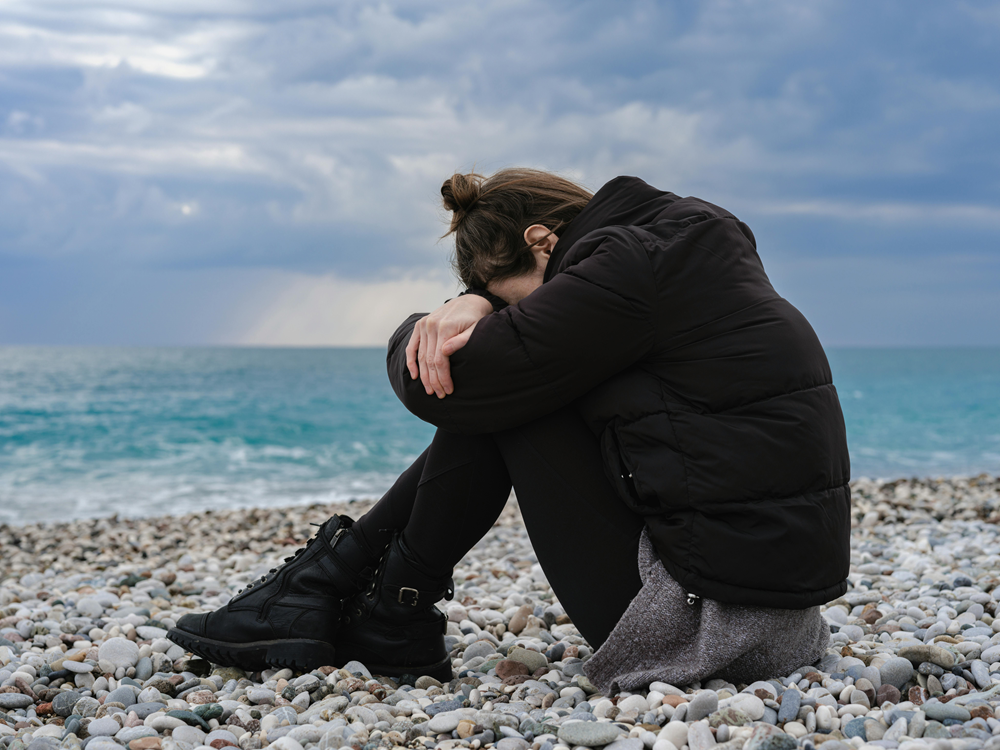
Posted on Leave a comment

The Power of Vulnerability

Introduction

For many people, sharing how they feel with others can be a challenge. When we are struggling, it’s common to feel as though telling others will make us look bad or feel weak. Vulnerability means revealing our inner emotions to the people around us, which can feel exposing and frightening. Even though it’s hard, being vulnerable allows people to understand and empathize with us.

You might think of vulnerability as weakness. After all, being vulnerable means revealing parts of yourself that you might want to keep hidden.

However, there are benefits to revealing your thoughts and feelings to others.

The Power of Naming Emotions and Embracing Vulnerability

For example, being able to name our emotions can help us manage them. When we are feeling overwhelmed or upset, it might seem like the best way to handle our emotions is to lock them up. If we do not talk about them and try not to think about them, maybe the feelings we are struggling with will go away. However, in reality, what helps us manage our emotions is having the courage to share them. A 2012 study found that expressing what we are feeling out loud helps reduce fear and other heightened emotions in stressful situations (Kircanski et al., p. 1086, 2012). During the study, participants in exposure therapy were asked to name their emotions aloud while being exposed to a feared stimulus. The participants still felt afraid, but expressing how they felt helped limit their fear response and calm their emotions (Kircanski et al., p. 1090, 2012).

Being vulnerable is also important for maintaining and improving our relationships.

Dr. Brené Brown, a researcher and professor who studies vulnerability, shame, and empathy, explains that humans are wired for connection. Those who have the courage to be authentic are the people who can build strong connections with others. According to Dr. Brown, feelings of unworthiness prevent us from making connections with others. Embracing vulnerability is a key part of learning to feel worthy of other people’s care and of our own success.

The Factors That Shape Loneliness

All of us have experienced loneliness, and many of us have struggled with it. Especially during the height of the pandemic, many people felt a lack of connection and fulfillment, a feeling that characterized loneliness. Although everyone experiences loneliness differently, a person’s physical location, social situation, and culture all influence how and when loneliness affects them.

Academic studies of loneliness sometimes approach it from different perspectives. However, many studies focus on the factors that contribute to our risk of loneliness or shape our experience of it. For example, Dr. Kimberly Smith (2019) identifies two major risk factors that people often confuse with loneliness itself, i.e., physical isolation and psychosocial or social isolation.

Physical and Social Isolation

Physical isolation may seem like loneliness because it limits social connections, and being physically isolated does make you more likely to be lonely. However, physical isolation and loneliness are not the same thing. Someone living on their own may not feel lonely even though they aren’t in proximity to others, and someone living with others may still experience loneliness (Smith, 2019, p. 614, 2019). On the other hand, social isolation refers to a lack of contact with family, friends, or community and can occur whether or not someone is physically isolated (Smith, 2019, p. 614, 2019). Similar to physical isolation, social isolation can often be mistaken for loneliness. However, it’s important to note that both serve as significant risk factors, with loneliness tending to be the more prevalent concern.

While physical and social isolation increase our risk of loneliness, a study by Ozawa-de Silva and Parsons (2020) shows that culture plays a key role in shaping loneliness. Our culture shapes how we interact with others and our expectations for relationships, which, in turn, influences what it takes to make us feel lonely (Ozawa-de Silva & Parsons, 2020, p. 614, 2020). This means that the nature of loneliness varies across cultures and is tied to a society’s social, political, and class structures (Ozawa-de Silva & Parsons, 2020, p. 620, 2020).

The Trouble with Addressing Loneliness

Every person experiences loneliness differently. Physical isolation, social isolation, and culture all play a role in loneliness. However, the underlying causes can range from someone’s upbringing to a major life event or health issue (Smith, p.41, 2019). Since loneliness is so varied, Smith (2019, p. 41) argues that existing interventions are ineffective and we must tailor solutions to each individual in need.

Experiencing loneliness isn’t easy. Where we live, our social situation, and our culture are only some of the many factors that affect how and when we feel lonely. However, the need for connection that underlies all loneliness makes it a universal human experience (Ozawka-de Silva & Parsons, p. 614, 2020). When you are struggling with loneliness and don’t know who to reach out to, consider contacting a therapist.

Here, at WHJ Online Therapy Centre, we can equip you with tools to deal with loneliness and mental health struggles. It will take a minimum of 2 hours to get started, and the process will involve several key stages to ensure a thorough evaluation before moving forward. After that, we can expect a smooth execution that aligns with our timeline and goals.

Loneliness remains difficult to understand and hard to experience. Familiarizing yourself with some of its causes and risk factors will help you to understand your own experience better.

Conclusion

Vulnerability can be a difficult skill to practice, but it can help us connect with others and understand our emotions. It isn’t easy to open up about our feelings, both positive and negative, but learning to be vulnerable means learning to manage our emotions healthily and to improve our relationships with others. As Dr. Brené Brown says, when we let ourselves be seen and accept who we are, we can then become kinder, more connected people.

References

Brown, Brené. (2011). The power of vulnerability. YouTube, uploaded by TED, 2011. https://www.youtube.com/watch?v=iCvmsMzlF7o

Kircanski, Katharina et al. (2012). Feelings into words: Contributions of language to exposure therapy. Psychological Science, 23(10), 1086–1091. https://doi.or/10.1177/0956797612443830

Smith, K. (2019). Charting loneliness. RSA Journal, 165(1), 38-41. https://www.jstor.org/stable/26798454

Ozawa-de Silva, C., Parsons, M. (2020). Toward an anthropology of loneliness. Transcultural Psychiatry, 57(5), 613-622. https://doi.org/10.1177/1363461520961627

Author Bio

Nora is an international student from the USA. She was studying in the Czech Republic for her master’s. Her focus is on the School of Humanities and Social Sciences. She is especially interested in exploring how self-talk and self-awareness affect mental health within queer communities.

“Through my experience as a student living abroad, I’ve learned a lot about taking care of my mental health and handling big life changes. In my free time, I’m an avid reader, knitter, and artist. At WHJ Online Therapy Centre, I worked as a content writing intern, expanding my knowledge of mental health and self-help tools.” – Nora Zapalac


Published under the Creative Commons Attribution 4.0 International (CC BY 4.0) license for mental health awareness with editorial review.
Posted on 1 Comment

What Can We Learn from Self-Reflection?

What can we learn from self-reflection

As we move through life, we are constantly presented with opportunities to change and grow – learning how to be happier, healthier people through our experiences. This growth is not always easy, but one tool we can use to help us is:

Self-Reflection

Current research describes self-reflection as the process of intentionally focusing on our thoughts, feelings, and experiences (Demnitz-King et al., 2022; Nolen-Hoeksema & Lyubomirsky, 2008, p.400). This means taking time to ask ourselves questions about our actions and experiences, alongside taking notice of the thoughts and feelings that arise within (Yip, 2006, p.782).

The benefit of practicing self-reflection is that it can become a tool for change and self-improvement. Among other things, it allows us to understand ourselves better by helping us examine why we act in certain ways. When we practice self-reflection consistently, we can apply the observations we make about our behavior to future conflicts, improving our competence and confidence in difficult situations (Yip, 2006, p.783).

However, not all types of self-reflection are healthy. If we are not mindful of the way we self-reflect, we could end up ruminating instead. When we ruminate, we focus on the negative parts of our experiences and distress. Anyone who has been kept awake at night reliving an awkward conversation or an embarrassing moment has witnessed rumination.

“When we ruminate, we focus on our distress. Hence, self-reflect to eliminate distress instead of ruminating.”


At such times, we get stuck thinking about what we wish had happened instead of what we can learn going forward (Joormann et al., 2011, p.797). Often this means that we end up criticizing ourselves or feeling badly instead of learning to unpack our minds and move on. While positive self-reflection is meant to lead to growth and problem solving, rumination means being stuck thinking about the same problem without taking any action to change our circumstances. Not only does rumination keep us from solving problems effectively, people who ruminate regularly are more likely to view situations in a negative light, and it can even worsen symptoms of depression (Nolen-Hoeksema & Lyubomirsky, 2008, p.400).

Four Steps to Avoid Rumination

by Professor Kam-Shing Yip (2006, p.782).

  1. Set aside time and space for reflection. This means making space to stop, think, and analyze your past experiences when you aren’t too busy or overwhelmed.
  2. Take notice of the uncomfortable feelings that arise and ask yourself what is causing them.
  3. Practice reflecting consistently over time.
  4. Find the self-reflection method that works for you. There are many models and tools for reflection, so if you’re struggling, try a different approach.

Additionally, while self-reflection is often undertaken alone, a supportive environment encourages healthy reflection (Yip, 2006, p. 781). This means sharing your observations with people who will provide you with support and empathy, whether that is a therapist, family member, or friend. As you get more practice, self-reflection can also be used throughout your day-to-day life. Try to observe the feelings that arise when you go through the kinds of situations you have been reflecting on, and ask what steps you can take to avoid negative behaviors.

Click here if you are looking for more information and tools to help you self-reflect. The University of Edinburgh has a database with a variety of in-depth tools and models to help people with the journey of reflection.

References

Demnitz-King, H., Gonneaud, J., Klimecki, O. M., Chocat, A., Collette, F., Dautricourt, S., Jessen, F., Krolak-Salmon, P., Lutz, A., Morse, R. M., Molinuevo, J. L., Poisnel, G., Touron, E., Wirth, M., Walker, Z., Chételat, G., Marchant, N. L., & Medit-Ageing Research Group (2022). Association of self-reflection with cognition and brain health in cognitively unimpaired older adults. Neurology99(13), e1422–e1431. https://doi.org/10.1212/WNL.0000000000200951

Joormann, J., Levens, S. M., & Gotlib, I. H. (2011). Sticky thoughts: Depression and rumination are associated with difficulties manipulating emotional material in working memory. Psychological Science, 22(8), 979–983. http://www.jstor.org/stable/25835487

Nolen-Hoeksema, S., Wisco, B. E., & Lyubomirsky, S. (2008). Rethinking rumination. Perspectives on Psychological Science, 3(5), 400–424. http://www.jstor.org/stable/40212262

Yip, K. (2006). Self-reflection in reflective practice: A note of caution. The British Journal of Social Work, 36(5), 777–788. http://www.jstor.org/stable/23721256

Author Bio

Nora is an international student from the USA. She was studying in the Czech Republic for her master’s. Her focus is on the School of Humanities and Social Sciences. She is especially interested in exploring how self-talk and self-awareness affect mental health within queer communities.

“Through my experience as a student living abroad, I’ve learned a lot about taking care of my mental health and handling big life changes. In my free time, I’m an avid reader, knitter, and artist. At WHJ Online Therapy Centre, I worked as a content writing intern, expanding my knowledge of mental health and self-help tools.” – Nora Zapalac


Published under the Creative Commons Attribution 4.0 International (CC BY 4.0) license for mental health awareness with editorial review.